These recipes have been shared around our family table in Bandon for years. Simple, honest dishes that celebrate the flavour and texture of freshly harvested Irish potatoes. No fuss, no fancy techniques, just real food cooked with care.
Fluffy Kerr's Pink potatoes mashed with sauteed curly kale, spring onions, warm milk, and a generous knob of butter. This is the dish that has warmed Irish households through every season for centuries. Deirdre makes it every Sunday, and nobody in the family has ever complained about leftovers.
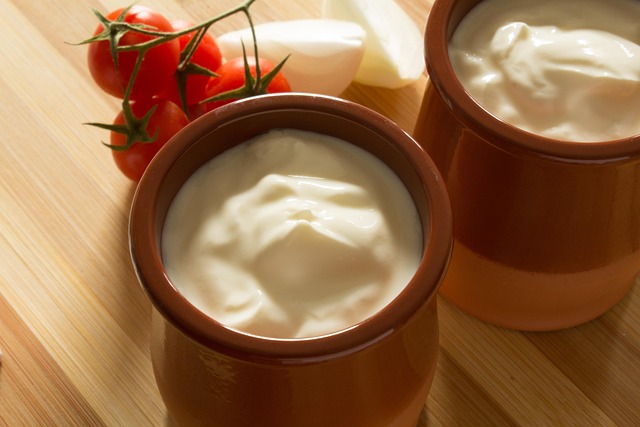
A traditional Irish pancake made from a mix of grated raw Rooster potato and mashed cooked potato, bound with flour, egg, and buttermilk. Pan-fried in a cast iron skillet until golden and crisp on the outside, soft and pillowy within. Serve for breakfast with rashers or as a dinner side with smoked salmon and a spoon of creme fraiche.
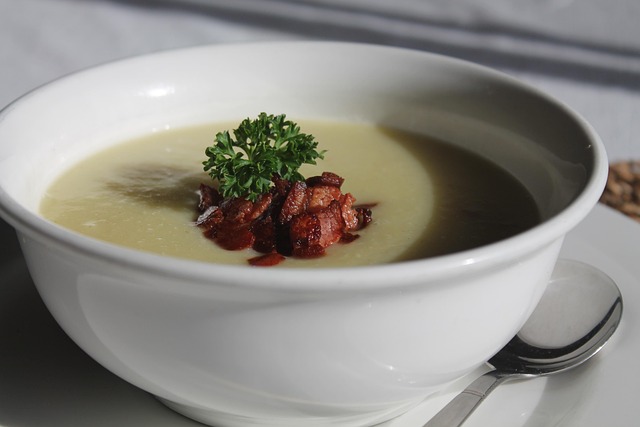
Diced Queens potatoes simmered gently with sliced leeks, onion, and vegetable stock until tender, then blended until velvety smooth. Finished with a swirl of cream, a pinch of nutmeg, and fresh chives from the garden. Pair with a thick slice of homemade soda bread for the ultimate comfort meal on a rainy Cork evening.
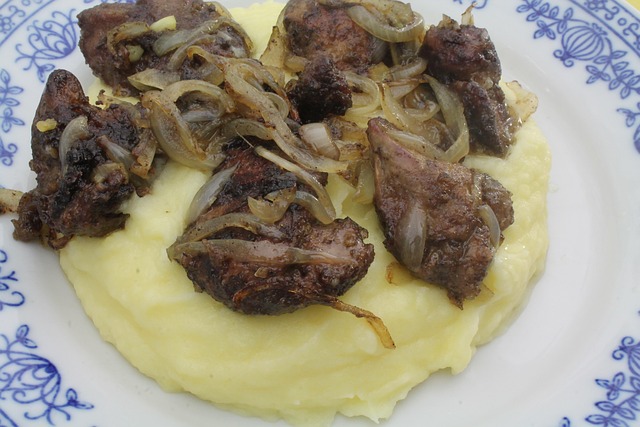
Often confused with colcannon, champ is its own distinct dish and one of the simplest ways to enjoy a floury potato. British Queen potatoes are boiled, drained, and mashed with warm milk infused with finely chopped spring onions. A generous helping of salted butter goes into the centre. Eat from the outside in, dipping each forkful into the melted butter pool.
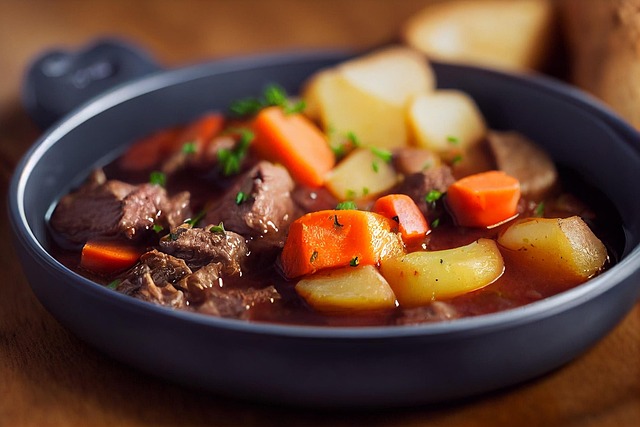
A slow-cooked one-pot dish layering thickly sliced Rooster potatoes with pork sausages, back bacon, onions, and fresh parsley. Everything simmers in a light stock until the potatoes absorb the savoury flavours of the meat. This is proper cold-weather food, the kind of meal that fills the house with a smell that brings everyone to the table without being called.
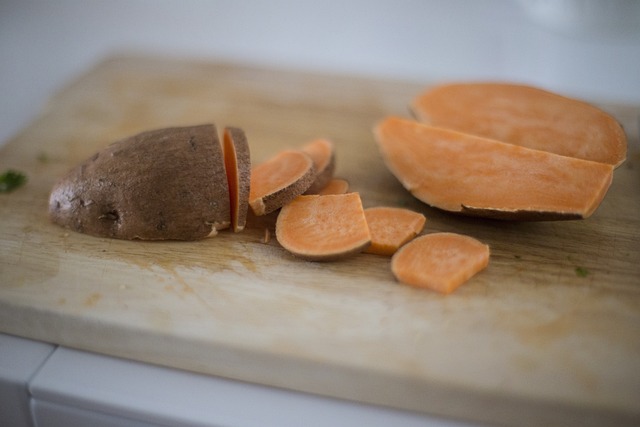
An essential part of the Ulster Fry, potato bread or "fadge" is made from mashed Kerr's Pink potatoes mixed with flour, butter, and a pinch of salt. The dough is rolled thin, cut into triangles, and fried in a hot pan until crisp and golden on each side. Serve alongside eggs, black pudding, and a strong cup of tea for a proper Irish breakfast.
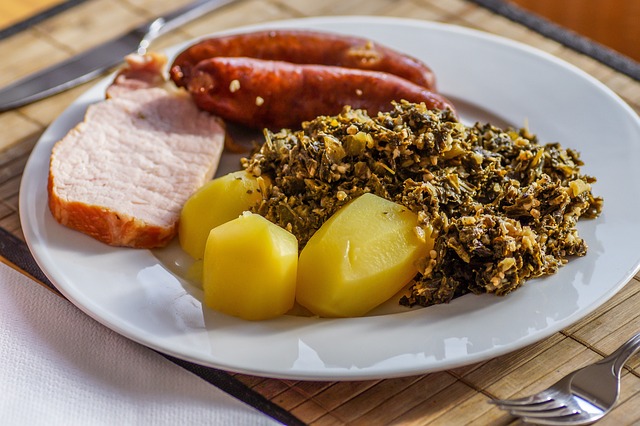
Colcannon is perhaps the most beloved potato dish in all of Ireland. Every family has their own version, and debates about whether to use kale or cabbage can get surprisingly heated. Our version uses curly kale because that is what grows best in the garden behind the farmhouse, but Savoy cabbage works equally well. The secret, if there is one, is generosity with the butter and patience when warming the milk.
Place the peeled, quartered potatoes in a large pot of cold salted water. Bring to the boil and cook for 15 to 20 minutes until completely tender when pierced with a knife. Drain thoroughly and return to the pot. Let them sit in the dry pot over low heat for a minute or two so any remaining moisture evaporates.
While the potatoes cook, bring a separate pot of salted water to the boil. Blanch the chopped kale for 3 to 4 minutes until bright green and tender. Drain well and squeeze out excess water with the back of a spoon or clean tea towel. Set aside.
In a small saucepan, gently warm the milk with the sliced spring onions over low heat. Do not let it boil. Allow the spring onions to soften in the milk for about 5 minutes. This infuses the milk with their sweet, mild flavour.
Mash the potatoes with a potato masher or ricer. Do not use a food processor or blender, as this will make them gluey. Add the butter and mash until melted and incorporated. Gradually add the warm milk and spring onion mixture, mashing and stirring as you go, until the colcannon is smooth and fluffy.
Fold the blanched kale into the mash. Season generously with salt and white pepper, and add a tiny grating of nutmeg if you like. Serve immediately in warm bowls, making a well in the centre of each portion and dropping in a generous knob of butter. Eat from the outside in, dipping each forkful into the melting butter.
"Boxty on the griddle, boxty in the pan. If you can't make boxty, you'll never get a man." That old Irish rhyme has been recited in kitchens across the country for generations. Boxty is unique because it combines raw grated potato with cooked mashed potato, creating a pancake that is crisp on the outside and soft within. The trick is squeezing as much liquid as possible from the raw potato before mixing the batter.
Boil half the potatoes (250g) until tender, about 15 minutes. Drain thoroughly and mash until smooth. Set aside to cool slightly.
Finely grate the remaining raw potatoes into a clean tea towel. Wring out as much liquid as possible over a bowl. Let the liquid sit for a few minutes and you will see the starch settle at the bottom. Pour off the water but keep the starch and add it back to the grated potato.
In a large mixing bowl, combine the mashed potato, squeezed grated potato, flour, beaten egg, buttermilk, and bicarbonate of soda. Season well with salt and pepper. Mix until you have a thick, dropping batter. If it seems too thick, add a splash more buttermilk.
Heat a cast iron skillet or heavy frying pan over medium heat. Add a knob of butter. When it begins to foam, drop spoonfuls of batter into the pan, flattening slightly. Cook for 3 to 4 minutes each side until deeply golden and cooked through.
Serve hot straight from the pan. For breakfast, pair with rashers, black and white pudding, and a fried egg. For dinner, top with smoked salmon, a spoonful of creme fraiche, and a squeeze of lemon.
Boxty originated in the north midlands of Ireland, particularly in counties Leitrim, Cavan, and Fermanagh, where the dish developed as a way to stretch precious potato stores during lean times. By combining raw and cooked potato, cooks could create a filling, satisfying meal from modest ingredients. The word "boxty" likely comes from the Irish "aranbocht ti" meaning "poor house bread." Today it appears on restaurant menus across Ireland and is celebrated as one of the country's great peasant dishes.
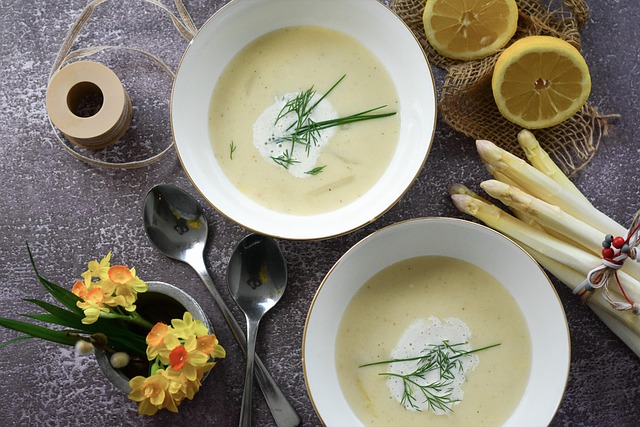
This soup appears on our table at least once a week from October through March. It is the kind of recipe that does not need measuring cups or precise timings. You simmer potatoes and leeks until soft, blend them smooth, and season to taste. The result is a bowl of pure comfort that pairs perfectly with a thick slice of buttered soda bread. We prefer Queens potatoes for soup because their waxy texture creates a silky finish without becoming starchy.
Melt the butter in a large heavy-bottomed pot over medium-low heat. Add the onion and leeks, season with a pinch of salt, and cook gently for 8 to 10 minutes until softened but not browned. Stir occasionally to prevent sticking.
Add the diced potatoes and stir to coat them in the buttery leek mixture. Cook for 2 minutes, then pour in the stock. Bring to a gentle boil, then reduce the heat and simmer for 20 minutes until the potatoes are completely tender.
Remove from heat and blend using a stick blender (or in batches in a stand blender) until completely smooth and velvety. Return to the pot and stir in the cream. If the soup is too thick, add a splash more stock or milk until you reach your preferred consistency.
Season generously with salt, white pepper, and a small grating of nutmeg. Ladle into warmed bowls, add a swirl of cream, and scatter with fresh chopped chives. Serve with thick slices of homemade soda bread or brown bread, generously buttered.
Not every meal needs a long recipe. Here are a few of our favourite straightforward ways to prepare Caladruo potatoes with minimal effort and maximum flavour.
Boil 1kg of British Queen potatoes until tender. Meanwhile, gently heat 200ml milk with a generous bunch of finely sliced spring onions for 5 minutes. Drain and mash the potatoes, then beat in the warm spring onion milk and 50g of butter. Season with salt and white pepper. Serve with a butter well in the centre. The simplicity is the whole point: floury potatoes, good butter, and fresh spring onions working in perfect harmony.
British Queen

Layer 8 pork sausages (halved), 6 slices of back bacon (chopped), 2 sliced onions, and 1kg of thickly sliced Rooster potatoes in a deep casserole dish. Add 500ml light chicken stock, a handful of fresh parsley, and seasoning. Cover tightly and bake at 160C for 90 minutes until everything is tender and the potatoes have absorbed the savoury cooking liquor. This is one-pot cooking at its most satisfying.
Rooster
Mash 500g cooked Kerr's Pink potatoes while still hot. Mix in 30g melted butter, 100g plain flour, and a good pinch of salt. Knead gently on a floured surface until smooth, then roll out to about 5mm thick. Cut into triangles and fry in a hot buttered pan for 3 minutes each side until golden and crisp. Serve as part of a full Irish breakfast, or simply enjoy warm with more butter.
Kerr's PinkNot sure which potato to use? Here is a quick reference for matching our varieties to cooking methods.
| Variety | Mashing | Roasting | Boiling | Soup | Baking | Frying |
|---|---|---|---|---|---|---|
| Rooster | ||||||
| Kerr's Pink | ||||||
| Queens | ||||||
| British Queen |
Excellent Good Not recommended
Every recipe tastes better with potatoes harvested days, not weeks, before reaching your kitchen. Order directly from our farm in Bandon, County Cork.
We use cookies for analytics and personalisation. See our Privacy Policy for details.